
Hidden Costs of Buying a Tuscany Villa That Buyers Miss
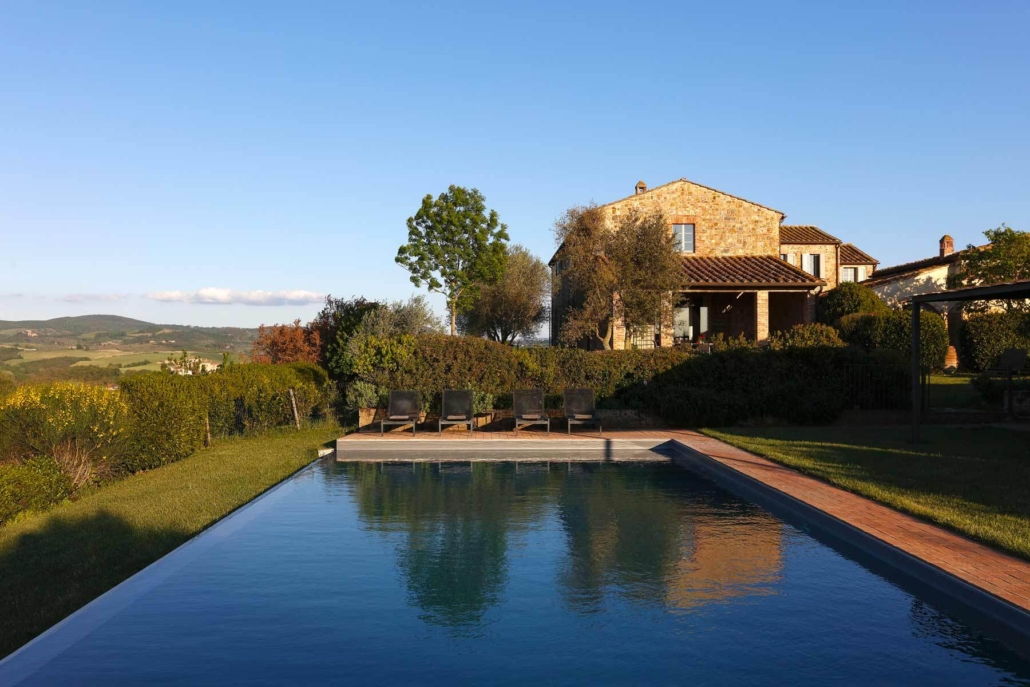
Hidden Villa Expenses That Can Derail Your Tuscan Dream
Buying a villa in Tuscany is usually about much more than bricks and stone. It is about long summer dinners on the terrace, olive trees at sunset and a base for your family for many years to come. For many buyers, these homes are long-term lifestyle choices rather than simple holiday properties.
Because of that emotion, it is easy to focus on the asking price and forget what comes after. The purchase itself is only the first step. There are legal, technical and seasonal costs that do not show up in glossy photos, and they can make a big difference to how relaxed you feel once you own the place. Here we will walk through the main hidden expenses that often surprise buyers and how to think about them calmly and clearly. At Villaflair, we live and work around these villas every day, so we see both the romance and the practical side of making them work in real life.
Legal, Tax and Bureaucratic Costs That Add Up
Italian property law is quite formal, which is good for protection, but it comes with its own price tags.
You will usually face three types of professional costs when you buy:
- Notary fees for the deed of sale
- Agency commission on the purchase
- Independent legal advice, especially for foreign buyers
Cross-border buyers often need translations, sworn interpreters at the signing and powers of attorney if they cannot attend. Each step has its own fee. Relying only on professionals suggested by the seller can save time now but might cost more later if problems are found after completion.
On the tax side, many people focus on the headline purchase tax and forget the rest. You may need to allow for:
- Purchase taxes such as registration tax, and sometimes VAT and mortgage tax
- Annual property tax (IMU) that changes if the villa is a main home, second home or rental
- Waste tax (TARI), often based on local rules in each comune
Different areas of Tuscany can apply different rates or methods of calculation. Two similar villas an hour apart might have very different yearly tax bills.
If you live outside Italy, there can be extra layers. Some countries expect you to declare foreign property for wealth or income tax. Succession rules are another quiet cost. Getting ownership structure and inheritance plans wrong at the start can mean expensive changes later, especially if you want to leave the villa to children in more than one country. Early talks with an international tax and legal adviser often save both time and money in the long run.
Restoration, Compliance and Preservation Surprises
Old stone farmhouses and historic villas are full of charm, but they can hide more than pretty beams. A full technical survey is one of the smartest early spends.
Common hidden issues include:
- Roofs that look solid but need deep work
- Damp in walls and floors, especially on ground level
- Old foundations and rural septic tanks that need upgrading
- Outdated wiring, small panels and fragile plumbing
In rural or protected areas, even simple works often cost more and take longer, because access is harder and rules are tighter. You may also face heritage limits, known as vincoli paesaggistici, that restrict what you can change on the outside. New windows, bigger terraces, a pool or an extension might need careful design and formal permission.
That brings another set of professional costs: architects, engineers, and geometri to prepare plans, submit them and follow the file with the local office. If earlier owners carried out unapproved works, the authorities can require fines, regularisation or in some cases removal of the changes. This can be a very unwelcome surprise if it appears only after you have bought.
Then there is the quiet cost of bringing an older villa up to modern comfort levels. Buyers often want:
- Better insulation and windows
- Safer systems that meet seismic and electrical rules
- Features needed for rental, such as certified gas systems and fire safety
Seasonal timing plays a role too. If you complete in June and want works finished before late autumn rain or winter, you may have to push specialists to find space in their schedule, which can affect both cost and choice.
Seasonal Running Costs Most Buyers Underestimate
Owning a villa all year is not the same as visiting in August. Tuscan summers can be hot and dry, winters can be damp and colder than many people expect in stone houses.
Heating is often the main surprise. Large stone rooms take time and energy to warm. Old boilers or oil systems can be expensive to run. Many owners choose to upgrade to more efficient options such as modern heat pumps, underfloor systems or solar support, which means an upfront project plus ongoing servicing. At the same time, summer stays with extended family or guests push up electricity use with pool pumps, AC units or fans running for long hours.
Pools and gardens bring a lot of joy but also steady work. Typical recurring items are:
- Opening and closing the pool at the start and end of the warm season
- Regular cleaning, chemical balancing and checks on pumps and filters
- Garden care, from lawns and hedges to trees, paths and irrigation
If the villa includes olive trees or vines, keeping them healthy and harvested requires specialist care. Hot spells mean more watering and sometimes extra pest control, both for the garden and for insects around terraces and pool decks.
Staffing is another area where costs grow with the size and location of the villa. Many non-resident owners use a caretaker or keyholder to:
- Check the house when empty
- Welcome guests or friends
- Arrange cleaners, laundry and minor repairs
Security systems, alarms and smart cameras are also common in countryside locations. The equipment plus ongoing monitoring and data plans add up over time. During busy summer weeks, more people in the house means more frequent professional cleaning and linen services, especially if you treat friends and family stays with the same standards you expect from a quality rental.
Ownership Structures, Rentals and Management Fees
How you choose to own your villa can change your ongoing costs. Buying in your own name is usually simpler day to day, while using an Italian or foreign company can bring extra administration, accounting and filing duties. Banks, mortgage lenders and insurers may treat each structure differently, with their own requirements and conditions.
On top of that sit the classic owner costs:
- Building and contents insurance
- Liability cover if you welcome guests or renters
- Mortgage interest and bank fees if you have finance
Non-resident buyers may see different conditions than residents. If your income is in another currency, changes in the exchange rate over the years can quietly affect how much your euro-based costs feel in your home budget.
Turning your villa into a rental asset can help offset some expenses, but it also opens a new set of hidden costs. You may need local licences to manage tourist tax properly and to bring the property in line with safety standards for paying guests. Professional management companies, rental agencies and concierge partners work on a commission or fee basis, and they can also advise on upgrades needed to satisfy higher-end guests who expect strong Wi-Fi, cooling, good beds, quality linen and hotel-level cleaning between stays.
How Villaflair Helps You Budget with Eyes Wide Open
When you step back and look at 5 or 10 years of ownership, the pattern becomes clearer. The real cost of a Tuscan villa is a mix of:
- One-off purchase and set-up expenses
- Regular yearly running costs
- Occasional larger projects, like a new roof or heating system
Creating best-case and worst-case yearly scenarios before you buy helps you see if a villa truly fits your plans, especially if you settle in early summer and want to use it right away. Some owners prefer to overestimate maintenance and be pleasantly surprised later.
Local insight can make this whole process less stressful. A specialist agency that works closely with Tuscan villas can pre-vet properties for legal status, structural condition and rental potential. Access to trusted local partners such as surveyors, lawyers, tax advisers, architects and property managers can turn a fog of unknowns into a clear, written list of likely costs.
At Villaflair, we spend our time between these houses, their owners and their guests, so we see where expectations and reality often clash. With that knowledge, we help buyers build a realistic picture of what ownership will feel like year to year, not just during the first, exciting summer.
Start Your Journey To Owning A Tuscan Villa Today
If you are ready to move from inspiration to action, we are here to guide you every step of the way. At Villaflair, we combine local expertise with a tailored approach to help you identify the most promising Tuscany villas to buy for your lifestyle and investment goals. Share your preferences with us and we will curate a handpicked shortlist, arrange viewings and support you through negotiations. Let us help you secure a home in Tuscany that feels right from the very first visit.
